

A commercial real estate lawyer plays a vital role in protecting businesses, investors, and property owners throughout commercial real estate transactions. Whether you’re buying, selling, leasing, or developing commercial property, an experienced lawyer ensures every legal aspect of the transaction is handled correctly. From reviewing contracts and conducting due diligence to negotiating lease agreements and resolving disputes, their expertise helps minimize legal risks and protect your investment. If you’re involved in a commercial property transaction, hiring the right legal professional can save you time, money, and costly mistakes.
What Is a Commercial Real Estate Lawyer?
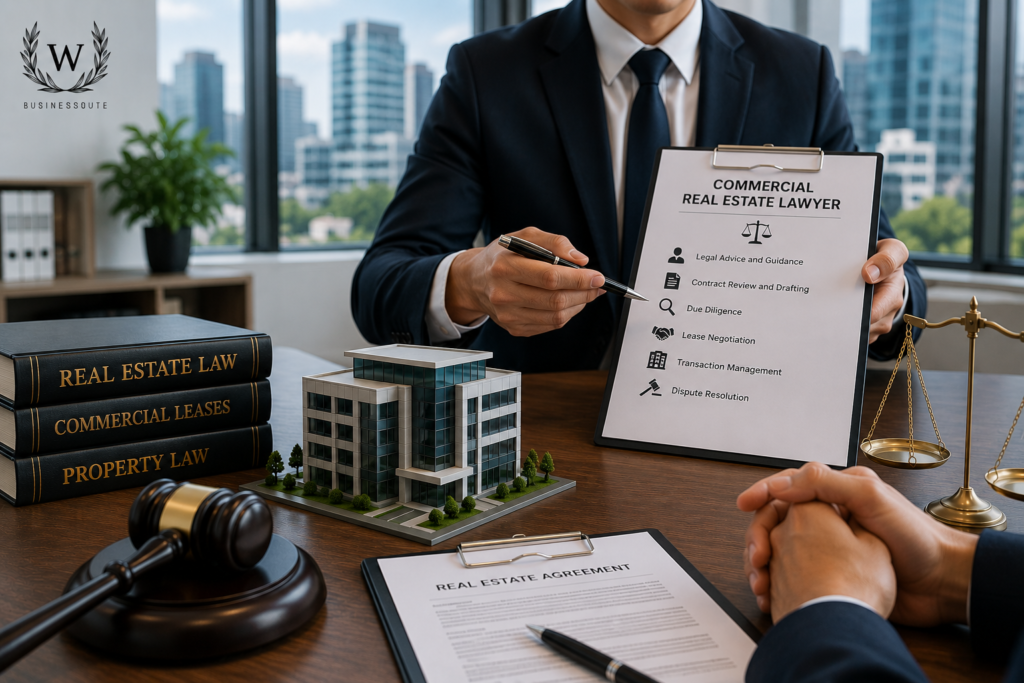
A commercial real estate lawyer specializes in legal matters involving commercial properties such as office buildings, retail centers, warehouses, industrial facilities, apartment complexes, hotels, and mixed-use developments. Unlike residential real estate attorneys, they focus on business-related property transactions, helping clients navigate complex contracts, regulatory requirements, financing agreements, and legal disputes.
These lawyers work with business owners, investors, developers, landlords, and tenants to ensure every transaction complies with applicable laws while protecting their clients’ financial interests.
Key Responsibilities
- Represents businesses, investors, and developers.
- Handles commercial property purchases and sales.
- Drafts and reviews contracts and lease agreements.
- Provides legal advice throughout transactions.
- Conducts due diligence before property closings.
- Resolves commercial property disputes.
- Ensures compliance with zoning, land use, and environmental regulations.
What Does a Commercial Real Estate Lawyer Do?
A commercial real estate lawyer provides legal guidance from the beginning of a transaction until its successful completion. They help businesses avoid costly legal issues while protecting their investments.
Contract Review and Drafting
Contracts are one of the most important aspects of commercial real estate. An attorney carefully drafts, reviews, and negotiates agreements to ensure they are fair and legally enforceable.
Responsibilities include:
- Reviewing purchase agreements.
- Drafting commercial lease contracts.
- Negotiating contract terms.
- Identifying unfavorable clauses.
- Explaining legal obligations.
Conducting Due Diligence
Before purchasing commercial property, lawyers investigate the property’s legal status to uncover potential problems.
They review:
- Property title records.
- Ownership history.
- Easements.
- Existing leases.
- Property taxes.
- Environmental reports.
Negotiating Commercial Leases
Commercial lease agreements often contain complex clauses that may impact your business for years.
A lawyer helps negotiate:
- Rental rates.
- Lease duration.
- Maintenance responsibilities.
- Renewal options.
- Tenant improvements.
- Early termination rights.
Managing Closings
Before the transaction closes, the attorney verifies all legal documents and ensures ownership transfers correctly.
Resolving Disputes
Commercial real estate lawyers also represent clients in matters involving:
- Contract disputes.
- Lease disagreements.
- Boundary issues.
- Construction disputes.
- Landlord-tenant conflicts.
- Property ownership claims.
When Should You Hire a Commercial Real Estate Lawyer?
Hiring a lawyer early can help prevent legal complications before they become expensive problems.
You should consider hiring a commercial real estate lawyer when:
- Buying commercial property.
- Selling commercial real estate.
- Negotiating office, warehouse, or retail leases.
- Developing commercial projects.
- Obtaining commercial financing.
- Resolving zoning or land-use issues.
- Handling commercial property disputes.
- Reviewing complex contracts.
Benefits of Hiring a Commercial Real Estate Lawyer
Hiring a commercial real estate lawyer provides valuable legal protection throughout every stage of a property transaction.
Benefits
- Reduces legal and financial risks.
- Reviews contracts for hidden issues.
- Protects your investment.
- Negotiates favorable agreements.
- Ensures compliance with regulations.
- Helps avoid costly legal disputes.
- Saves time during property transactions.
- Provides professional legal guidance.
Commercial Real Estate Lawyer vs. Residential Real Estate Lawyer
Although both professionals practice real estate law, their responsibilities differ significantly.
| Commercial Real Estate Lawyer | Residential Real Estate Lawyer |
|---|---|
| Handles business properties | Handles residential homes |
| Negotiates complex commercial contracts | Reviews residential contracts |
| Represents businesses and investors | Represents homebuyers and sellers |
| Advises on zoning and land use | Focuses on residential closings |
| Handles commercial financing | Handles home mortgages |
Commercial real estate transactions generally involve larger investments, multiple stakeholders, and more complex legal requirements.
Common Legal Issues in Commercial Real Estate
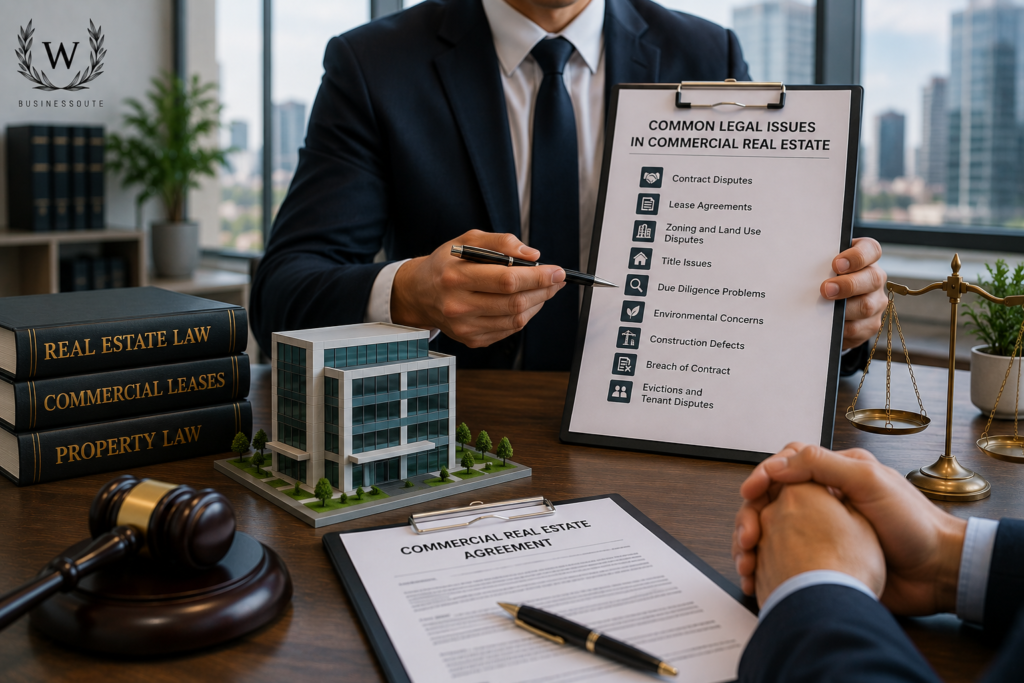
Commercial property transactions can involve numerous legal challenges.
Common Issues
- Title defects.
- Ownership disputes.
- Zoning restrictions.
- Environmental compliance.
- Contract breaches.
- Commercial lease disputes.
- Easement issues.
- Construction defects.
- Financing disagreements.
- Boundary disputes.
Addressing these issues early helps businesses avoid expensive litigation and project delays.
How to Choose the Right Commercial Real Estate Lawyer
Choosing the right attorney can significantly impact the success of your transaction.
Consider the Following
- Experience in commercial real estate law.
- Strong negotiation skills.
- Knowledge of local regulations.
- Transparent pricing.
- Positive client reviews.
- Excellent communication.
- Availability throughout the transaction.
Questions to Ask Before Hiring a Commercial Real Estate Lawyer
Before making your decision, ask:
- How many commercial real estate transactions have you handled?
- Do you specialize in commercial property law?
- What are your legal fees?
- Who will handle my case?
- Can you negotiate lease agreements?
- How do you resolve disputes?
How Much Does a Commercial Real Estate Lawyer Cost?
The cost of hiring a commercial real estate lawyer depends on several factors, including the complexity of the transaction and the attorney’s experience.
Common Fee Structures
- Hourly rates.
- Flat fees.
- Retainer agreements.
Factors Affecting Cost
- Property value.
- Transaction complexity.
- Lawyer’s experience.
- Geographic location.
- Negotiation requirements.
- Litigation services.
When You Need a Commercial Real Estate Lawyer
| Situation | Why You Need a Commercial Real Estate Lawyer | Potential Risk Without Legal Help |
|---|---|---|
| Buying Commercial Property | Reviews contracts, verifies ownership, and performs due diligence. | Hidden liens, title defects, or costly legal issues. |
| Selling Commercial Property | Drafts agreements and ensures legal compliance. | Delayed closings or post-sale disputes. |
| Leasing Office or Retail Space | Negotiates lease terms and protects business interests. | Unfavorable lease clauses and unexpected costs. |
| Property Development | Advises on zoning laws and permits. | Project delays or regulatory violations. |
| Commercial Financing | Reviews financing documents. | Unfavorable loan terms and hidden liabilities. |
| Property Disputes | Represents clients during negotiations or litigation. | Expensive lawsuits and prolonged conflicts. |
Real-World Example
Scenario: Leasing a New Office Space
A growing technology startup planned to lease a 5,000-square-foot office for its expanding team. Before signing the lease, the company hired a commercial real estate lawyer to review the agreement.
The lawyer:
- Identified unfair repair obligations.
- Negotiated lower annual rent increases.
- Clarified maintenance responsibilities.
- Improved renewal and termination clauses.
- Ensured compliance with local commercial property laws.
Result
The company signed a revised lease with more favorable terms, avoided unexpected expenses, and gained greater flexibility for future growth. This proactive legal support reduced potential risks and protected the company’s investment.
Frequently Asked Questions (FAQs)
Do I need a commercial real estate lawyer to buy commercial property?
While not always legally required, hiring one is highly recommended to protect your investment and ensure a smooth transaction.
What does a commercial real estate lawyer do?
They review contracts, negotiate leases, conduct due diligence, manage closings, resolve disputes, and ensure legal compliance.
Can a commercial real estate lawyer negotiate lease agreements?
Yes. They negotiate lease terms that protect the interests of landlords, tenants, investors, and businesses.
How much does a commercial real estate lawyer charge?
Fees vary depending on the lawyer’s experience, location, billing method, and transaction complexity.
When should I hire a commercial real estate lawyer?
It’s best to hire one before signing any purchase agreement, lease, financing document, or development contract.
Conclusion
Hiring a commercial real estate lawyer is one of the best ways to protect your business during commercial property transactions. Whether you’re buying, selling, leasing, or developing commercial real estate, their legal expertise helps reduce risks, ensure compliance, and safeguard your investment. Working with an experienced attorney can help you avoid costly mistakes and complete your transaction with confidence.