


Starting a business from scratch in the property industry is risky, slow, and often expensive. That’s exactly why so many entrepreneurs turn to real estate franchises instead. A franchise gives you an established brand name, a proven business system, training, marketing support, and — most importantly — instant credibility with buyers and sellers.
In this guide, we’ll break down what real estate franchises actually are, how much they cost, the top brands to consider in 2026, and the pros and cons of going the franchise route versus building an independent brokerage. Whether you’re a solo agent looking to scale or an investor exploring new income streams, this article will help you decide if a real estate franchise is the right move.
If you’re also exploring related paths in the property industry, you may want to read our guides on the certificate of registration process for real estate professionals and on property investment strategies through Kflare Real Estate.
What Is a Real Estate Franchise?
A real estate franchise is a licensing arrangement where an independent broker or business owner (the franchisee) pays a fee to operate under the name, systems, and branding of an established real estate company (the franchisor). In exchange, the franchisee gets access to:
- A recognized, trusted brand name
- Proven operating systems and training programs
- National and local marketing support
- Technology platforms (CRM, listing syndication, lead generation tools)
- A network of agents and brokers to collaborate with
Well-known names like RE/MAX, Keller Williams, Century 21, and Coldwell Banker are all examples of real estate franchise models that have shaped how residential and commercial property is bought and sold across the world.
How Real Estate Franchises Work
When you buy into a real estate franchise, you typically sign a franchise agreement that outlines:
- Initial franchise fee — a one-time payment to license the brand
- Royalty fees — an ongoing percentage of gross commission income paid to the franchisor
- Marketing/advertising fund fees — contributions toward national brand campaigns
- Territory rights — the geographic area where you’re permitted to operate
- Term length — usually 5 to 10 years, often renewable
In return, franchisees receive brand recognition, operational playbooks, agent recruitment support, and access to proprietary technology that would otherwise take years and significant capital to build independently.
Top Real Estate Franchises to Consider in 2026
1. RE/MAX
One of the most recognized names globally, RE/MAX is known for its balloon logo and agent-centric commission structure, which allows agents to keep a higher share of their commissions in exchange for a flat monthly fee.
2. Keller Williams
Keller Williams built its reputation on agent training, technology, and a profit-sharing model that rewards agents who help grow the office. It remains one of the largest franchises by agent count.
3. Century 21
A globally recognized brand with a strong presence in both residential and commercial real estate, Century 21 emphasizes marketing support and a consistent client experience across markets.
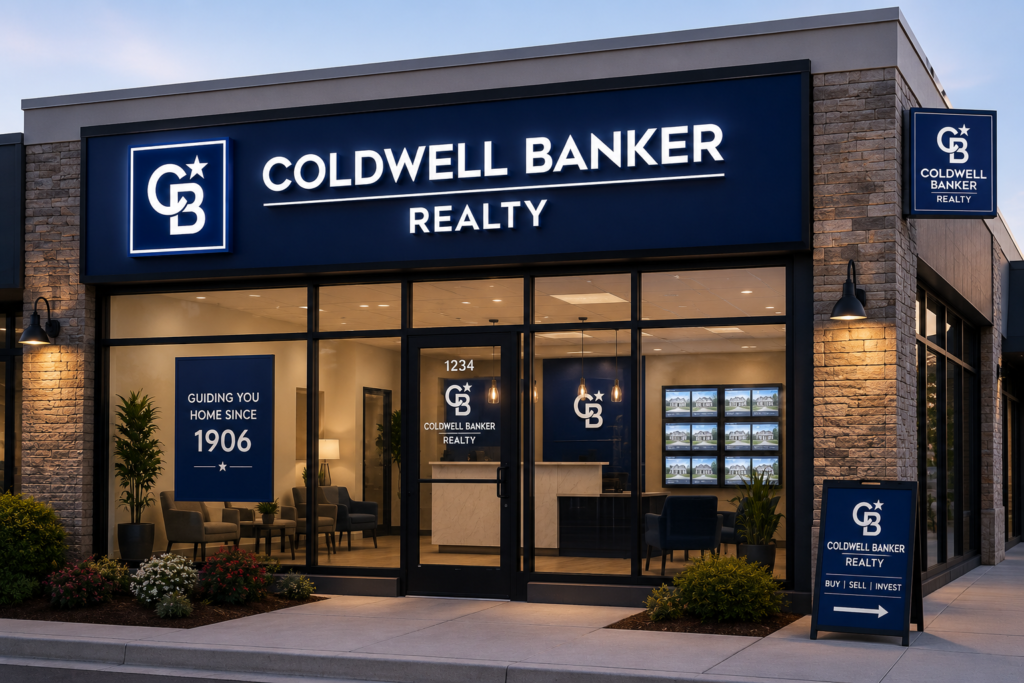
4. Coldwell Banker
Known for luxury and high-end residential listings, Coldwell Banker franchises benefit from strong brand equity in premium property markets.
5. Better Homes and Gardens Real Estate
This franchise blends lifestyle branding with real estate services, appealing to agents who want a design-forward, consumer-friendly brand identity.
Cost of Starting a Real Estate Franchise
Franchise costs vary widely depending on the brand, territory, and market size. On average, entrepreneurs should budget for:
| Cost Component | Typical Range |
|---|---|
| Initial Franchise Fee | $20,000 – $50,000 |
| Royalty Fees | 5% – 8% of gross commission income |
| Marketing Fund Contribution | 1% – 3% of gross commission income |
| Office Setup & Technology | $15,000 – $60,000 |
| Working Capital (first 6–12 months) | $30,000 – $100,000 |
These figures are general estimates — always request the franchisor’s official Franchise Disclosure Document (FDD) for exact costs before signing any agreement.
Pros and Cons of Real Estate Franchises
Pros
- Instant brand recognition and consumer trust
- Proven training systems for new and experienced agents
- Access to national marketing campaigns and referral networks
- Established technology and CRM tools
- Easier to recruit agents under a known brand
Cons
- Ongoing royalty and marketing fees reduce net profit
- Less flexibility in branding and business decisions
- Territory restrictions can limit expansion
- Franchise agreements can be long-term commitments
- Success still depends heavily on local market execution
Real Estate Franchise vs. Independent Brokerage
| Factor | Franchise | Independent Brokerage |
|---|---|---|
| Brand Recognition | High (built-in) | Must be built from scratch |
| Startup Cost | Higher (fees + royalties) | Lower initial cost |
| Flexibility | Limited by franchise rules | Full control |
| Support & Training | Extensive | Self-managed |
| Long-term Profit Margin | Reduced by fees | Potentially higher |
If your priority is speed to market and brand trust, a franchise is often the smarter route. If you value full creative and operational control, an independent brokerage may suit you better — though it will take longer to establish market presence.
Tips for Choosing the Right Real Estate Franchise
- Review the Franchise Disclosure Document (FDD) carefully, including litigation history and fee structures.
- Talk to existing franchisees in your target market to understand real-world profitability.
- Evaluate territory exclusivity — make sure you’re not competing directly with another franchisee nearby.
- Compare technology and marketing support across brands, since this varies significantly.
- Understand your break-even timeline based on local commission averages and fee structures.
For professionals building their agent network, having accurate contact data also matters — our Indiana real estate agent email directory can be a useful resource for outreach and networking in that market.
Is a Real Estate Franchise Worth It?
For many entrepreneurs, real estate franchises offer a faster, lower-risk path into property brokerage compared to starting independently. The brand trust, training systems, and marketing infrastructure can significantly shorten the time it takes to become profitable — provided you choose the right brand for your market and are prepared for ongoing fees.
According to the Franchise Disclosure Document requirements outlined by the U.S. Federal Trade Commission, every prospective franchisee should review this document before signing any agreement, regardless of the industry.
For broader franchise industry data and trends, the International Franchise Association is also a helpful reference point.
Frequently Asked Questions (FAQs)
1. What is the average cost to open a real estate franchise?
Most real estate franchises require an initial fee between $20,000 and $50,000, plus ongoing royalty and marketing fees, along with working capital for office setup and operations.
2. Which real estate franchise is best for new agents?
Keller Williams and RE/MAX are both known for strong agent training programs, making them popular choices for newer agents entering the industry.
3. Do I need a real estate license to open a franchise?
Yes. In most regions, you or your designated broker must hold an active real estate broker’s license to legally operate a franchise office.
4. How long does a real estate franchise agreement last?
Franchise agreements typically run 5 to 10 years, with renewal options depending on the franchisor’s terms.
5. Can I switch real estate franchises later?
Yes, agents and brokers can switch franchises, but doing so may involve buyout clauses, non-compete restrictions, or transition fees outlined in the original agreement.
6. Are real estate franchises profitable?
Profitability depends on local market conditions, brand strength, and how well the office is managed. Franchise fees reduce margins, but brand recognition can accelerate revenue growth compared to independent brokerages.
Conclusion
Real estate franchises remain one of the most reliable ways to enter the property industry with built-in brand trust, training, and marketing support. While the fees and territory restrictions are worth careful consideration, the right franchise can dramatically shorten your path to profitability. Take time to review the FDD, speak with current franchisees, and compare your options before making a final decision.